

The I-Type Cultivator: Inspirational Connection in Your Ministry
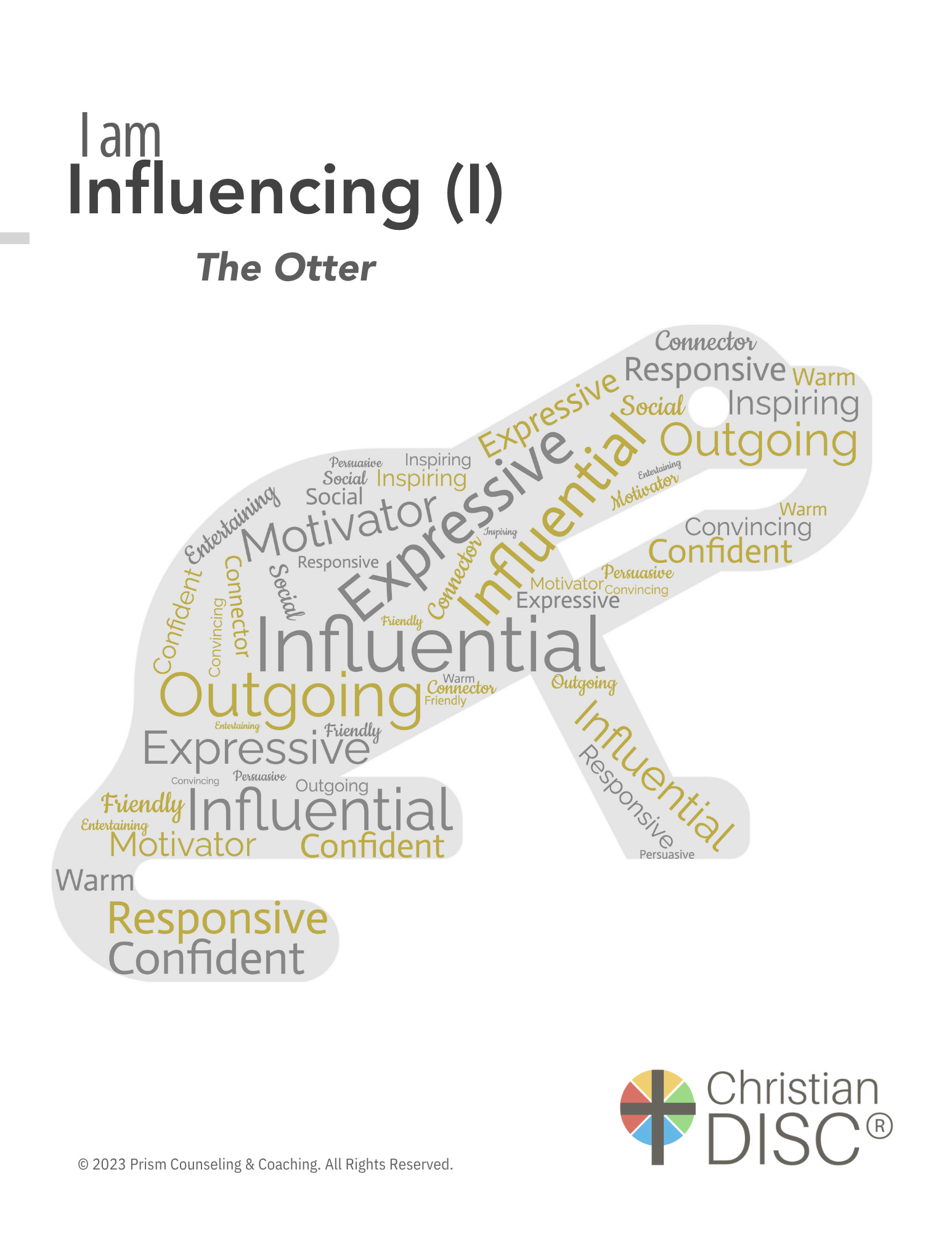
Hey friend! Today, we’re exploring the I-Type personality in our Sacred Design series. If you or someone you work closely with has strong Influential tendencies, this post will help you understand how God uniquely designed this personality for His purposes.
New to the DISC personality framework? Check out our Sacred Design: The Cultivator’s DISC Personality Guide for an overview of all four types and the biblical foundation for understanding personality in ministry.
I-types are the inspiring, interactive, and enthusiastic personalities who naturally connect with others and bring energy to any environment. They’re the storytellers and encouragers of the personality world—naturally weaving narratives that inspire others and creating environments where people feel valued and motivated.
The I-Type: Enthusiastic Connection and Inspiration
The Influential personality is characterized by a natural orientation toward people, possibilities, and positive engagement. I-types tend to be expressive and animated in communication, focused on relationships and connection, quick to share ideas and stories, comfortable in social settings, optimistic about possibilities, willing to take conversational risks, and motivated by recognition and appreciation.
When you meet an I-type, you’ll often notice their warmth, their ability to make you feel important, and their natural enthusiasm about life and possibilities. They don’t shy away from expressing emotions but often share their feelings openly, seeing personal connection as the foundation for meaningful influence and impact.
Biblical Examples of I-Types
Scripture gives us several compelling examples of I-type personalities whom God used to inspire and influence others:
Peter demonstrated classic I-type traits in his enthusiastic responses to Jesus, his ability to rally others, and his expressive communication style. His sermons in Acts show his gift for connecting with crowds and inspiring them toward action.
David shows I-type qualities in his expressive worship, his ability to inspire loyalty in his followers, and his creative communication through the Psalms. His emotional transparency before God demonstrates the I-type’s comfort with expressing feelings.
Barnabas, whose name means “son of encouragement,” exhibits I-type tendencies in his affirmation of others, his willingness to advocate for those who needed a second chance, and his natural ability to bring people together.
These biblical examples remind us that God has always used I-type personalities to accomplish His purposes, particularly when inspiration, communication, and relational connection were needed.
Core Strengths: How I-Types Reflect God’s Character
I-type personalities beautifully reflect certain aspects of God’s character. Their strengths aren’t accidental but purposefully designed to display these divine attributes:
The enthusiastic encouragement that comes so naturally to I-types reflects God’s affirming, empowering nature. Throughout Scripture, we see God speaking words of encouragement and possibility to His people. Isaiah 43:4 captures this affirming heart: “Since you are precious and honored in My sight, and because I love you.” I-types mirror this aspect of God’s character when they recognize potential in others and enthusiastically affirm it, often seeing possibilities before others can.
The relational connectivity that characterizes I-types reflects God’s deeply relational nature. The Trinity itself demonstrates that relationship is at the core of who God is. Jesus emphasized this relational focus in John 15:15 when He said, “I no longer call you servants... Instead, I have called you friends.” I-types reflect this divine quality through their natural ability to create meaningful connections and build relational bridges between people.
The joy and optimism that I-types bring into environments mirrors God’s redemptive perspective—His ability to see beyond current circumstances to the good He will bring. Nehemiah 8:10 reminds us that “the joy of the Lord is your strength.” I-types carry this joy-filled perspective into ministry contexts, lifting spirits and infusing hope even in challenging situations.
The expressive communication style of I-types reflects God’s creative storytelling throughout Scripture. Jesus Himself frequently taught through stories, understanding their power to transform perspectives. In Matthew 13:34, we read that “Jesus spoke all these things to the crowd in parables.” I-types reflect this divine communication approach when they naturally translate complex concepts into engaging narratives that connect with hearts as well as minds.
When I-types embrace and steward these strengths with wisdom, they become powerful instruments for God’s kingdom work, inspiring others toward vision, creating relational connections, and communicating truth in accessible, compelling ways.
Growth Areas: Biblical Wisdom for Development
Every personality has areas where growth and balance are needed. For I-types, certain tendencies may need to be tempered with biblical wisdom and complementary virtues:
While I-types excel at generating enthusiasm and inspiration, they sometimes struggle with following through on details and implementing practical plans. James 2:17 reminds us that “faith by itself, if it is not accompanied by action, is dead.” Growing in consistency and practical implementation helps I-types translate their visionary ideas into a tangible reality. Developing simple systems for tracking commitments and breaking projects into manageable steps can transform an I-type’s inspirational leadership into lasting impact.
The I-type’s natural focus on positive possibilities sometimes leads to avoiding difficult conversations or necessary confrontation. Ephesians 4:15 encourages us to speak “the truth in love,” recognizing that both elements are essential. I-types grow significantly when they learn to address challenges directly while maintaining their relational sensitivity. This balance allows them to build authentic relationships that can withstand honest feedback without sacrificing connection.
The I-type’s desire to be liked and appreciated can occasionally lead to people-pleasing tendencies or difficulty setting boundaries. Galatians 1:10 poses a challenging question: “Am I now trying to win the approval of human beings, or of God?” Developing the confidence to establish healthy boundaries and make decisions based on values rather than approval helps I-types lead with greater integrity and sustainability. Remembering that their ultimate identity comes from God rather than others’ opinions liberates I-types to lead authentically.
Finally, I-types often communicate with such natural enthusiasm that they may dominate conversations or miss important input from quieter voices. Proverbs 18:13 observes that “To answer before listening—that is folly and shame.” Learning to balance expressive communication with attentive listening enriches the I-type’s relational impact and ensures they benefit from diverse perspectives. Creating intentional practices for drawing out others’ thoughts helps I-types build truly collaborative environments.
These growth areas aren’t weaknesses to be ashamed of but opportunities for I-types to become more complete reflections of Christ’s character, combining their natural strengths with complementary virtues that create a more balanced and effective ministry presence.
Relationship Dynamics: How I-Types Interact with Others
Understanding how I-types relate to each of the four personality tendencies can help create healthier team dynamics and more effective ministry partnerships.
When I-types and D-types collaborate, they bring together inspiration and direction in a powerful combination. I-types appreciate the D-type’s clarity and decisiveness, while D-types value the I-type’s ability to communicate vision in engaging ways and build enthusiasm. This relationship thrives when I-types help translate the D-type’s direct communication into more relational language, while respecting their focus on results. Meanwhile, D-types can create space for the I-type’s creativity and relationship building while providing the structure that helps implement their ideas. Together, they create ministry approaches that are both compelling and actionable.
Two I-types working together create highly energetic, creative environments with abundant ideas and enthusiasm. They naturally enjoy each other’s expressive style and relational focus. However, this pairing may need additional structure to move from inspiration to implementation. Success comes when they intentionally develop systems to track details, establish clear responsibilities for follow-through, and build accountability for completing projects. When these elements are in place, dual I-type partnerships can generate remarkable creativity and relational connectivity.
The I-type and S-type pairing creates a relationally rich environment with complementary strengths. I-types bring energy and new ideas, while S-types provide consistency and follow-through. This relationship flourishes when I-types appreciate the S-type’s need for stability and advance notice of changes, while S-types recognize the value of the I-type’s enthusiasm and fresh approaches. I-types help S-types embrace new possibilities, while S-types help I-types implement their ideas with consistency and attention to people’s needs through transitions.
When I-types and C-types work together, they balance inspiration with accuracy in valuable ways. I-types help C-types communicate complex information in more engaging, accessible ways, while C-types help I-types develop more thorough, detailed approaches. This partnership thrives when I-types respect the C-type’s need for precision and logical process, while C-types recognize the importance of the I-type’s relational connectivity and engaging communication. Together, they create ministry approaches that are both compelling and credible.
Understanding these dynamics helps I-types build stronger relationships and more effective ministry teams, leveraging the strengths of each personality rather than creating unnecessary friction.
The I-Type in the Garden Spaces
Let’s explore how I-types naturally navigate each area of our Genesis Framework and how they can thrive in each garden space:
In The Light Garden (Vision & Purpose)
I-types often thrive in The Light Garden, as they naturally connect with vision and possibilities. They readily embrace new ideas and feel energized by inspiring purpose. Their ability to see potential and communicate it enthusiastically helps others catch vision and join the journey.
Growth in this garden space comes as I-types learn to discern which possibilities align most closely with God’s specific calling for their ministry. Taking time to evaluate ideas against biblical wisdom and core values helps them focus their natural enthusiasm on the most impactful directions. Developing practices for testing inspiration against Scripture and wise counsel ensures their vision flows from divine guidance rather than merely exciting possibilities.
In The Waters Retreat (Boundaries & Structure)
I-types typically face challenges in The Waters Retreat, as boundaries and structures may feel limiting to their free-flowing, relationally oriented nature. However, they bring valuable strengths in creating relational boundaries that honor connections while protecting energy.
Growth opportunities in this garden space include developing consistent systems that support their creative work without feeling confining. Learning to embrace structure as a tool for freedom rather than a limitation helps I-types establish sustainable ministry rhythms. Creating boundaries around their time and energy ensures they can maintain the relational connections that matter most without becoming depleted by endless social demands.
In The Fruitful Fields (Productivity & Output)
I-types bring unique gifts to The Fruitful Fields through their creative communication and ability to inspire productive collaboration. They excel at generating ideas and enlisting others in creative projects. Their natural storytelling abilities help them produce engaging content that connects with audiences.
Growth in this garden space comes through developing follow-through systems that move ideas to completion. Learning to balance ideation with implementation helps I-types translate their abundant creativity into tangible results. Creating accountability structures and breaking projects into manageable steps ensures their inspiring vision bears concrete fruit rather than remaining in the realm of possibility.
In The Luminaries Lookout (Visibility & Timing)
I-types often excel in The Luminaries Lookout, as they’re naturally comfortable with visibility and engagement. Their ease in the spotlight and ability to connect with audiences serves ministry well in this space. They intuitively understand how to communicate in ways that resonate with different people.
Growth opportunities include discerning which platforms and visibility opportunities best serve their core mission rather than pursuing all possibilities. Developing thoughtful timing for initiatives rather than launching everything simultaneously helps create sustainable impact. Learning to share the spotlight generously ensures their natural ease with visibility becomes a platform for elevating others rather than self-promotion.
In The Living Waters (Community & Expression)
The Living Waters is often where I-types feel most at home, as community building and authentic expression align perfectly with their relational nature. They excel at creating welcoming environments where people feel valued, facilitating meaningful conversations, and expressing thoughts and feelings in engaging ways.
Growth in this garden space comes through developing depth beyond initial connections. Learning to move relationships beyond surface engagement into authentic community helps I-types create lasting impact. Balancing their natural expressiveness with attentive listening ensures conversations become truly mutual rather than one-sided. Creating space for quieter voices enriches community beyond those who naturally connect with their outgoing style.
In The Stewardship Sanctuary (Resources & Multiplication)
I-types bring valuable strengths to The Stewardship Sanctuary through their ability to inspire generosity, build supportive communities, and communicate value effectively. They naturally understand relationship-based approaches to resource development and team building.
Growth opportunities in this space include developing careful tracking systems for resources and commitments. Learning to make decisions based on data alongside relational factors helps I-types steward resources with greater effectiveness. Creating consistent follow-up mechanisms ensures their inspiring communication translates into sustained support and meaningful multiplication of ministry impact.
In The Sabbath Grove (Rest & Renewal)
I-types have a unique relationship with The Sabbath Grove. While they naturally understand relational renewal through meaningful connection, they sometimes struggle with quieter forms of rest or being alone. Their strengths include creating restful environments that nourish community and bringing joyful celebration into Sabbath practices.
Growth in this garden space comes through embracing solitude as a complement to social renewal. Learning to appreciate quiet reflection helps I-types discover deeper dimensions of rest beyond relational connection. Developing sustainable rhythms that include both engagement and withdrawal creates more complete renewal that sustains their naturally expressive energy for the long journey of ministry.
Practical Recommendations for I-Type Ministers
If you have I-type tendencies, here are some practical recommendations to help you steward your unique design for maximum kingdom impact:
Your natural enthusiasm and relational connectivity are gifts from God—embrace them fully as divine design rather than seeing them as less valuable than other leadership styles. Jesus Himself connected deeply with people, told engaging stories, and built relationships as the foundation of His ministry. Your relational approach reflects important aspects of Christ’s own ministry style.
Consider developing simple systems to support your follow-through on commitments and ideas. This might include creating visual project trackers, using digital tools that send reminders, establishing regular check-in rhythms with accountability partners, or breaking larger projects into smaller steps with clear deadlines. These systems don’t diminish your spontaneity but provide the structure that helps translate your inspiring ideas into a completed reality.
Your ministry will likely thrive when you build teams that complement your strengths. Consider partnering with detail-oriented C-types who can help implement your vision, steady S-types who provide consistency and follow-through, or focused D-types who help make clear decisions and maintain direction. Remember that these different perspectives aren’t obstacles to your vision but essential ingredients for its successful implementation.
While your natural optimism is a gift, balance it with thoughtful consideration of challenges and potential obstacles. Create space in your planning process to ask, “What might go wrong?” and “What resources will this require?” This realistic assessment doesn’t diminish your enthusiasm but grounds it in practical wisdom that increases the likelihood of successful implementation.
Your desire to maintain positive relationships sometimes makes difficult conversations challenging. Develop approaches for necessary confrontation that honor both truth and relationship. This might include preparing thoughtfully before difficult discussions, focusing on specific behaviors rather than general criticisms, and expressing care for the relationship explicitly within the conversation. Remember that authentic relationships can withstand honest communication.
Your natural expressiveness is a tremendous gift, but pair it with intentional listening practices to ensure you’re receiving the full benefit of others’ insights. Consider asking specific questions rather than general ones, creating intentional pauses in conversation, taking notes during discussions, or explicitly inviting input from quieter team members. These practices enrich your understanding while making others feel truly valued.
Finally, develop rhythms that honor your need for both social connection and personal reflection. Identify activities that provide genuine renewal for your specific personality—whether time with close friends, creative expression, immersion in nature, or spiritual practices that connect you with God. Creating sustainable patterns of engagement and withdrawal helps you maintain your natural enthusiasm without burning out.
Want to Know Your Type for Sure?
While reading the profiles can help you identify your likely tendencies, a professional assessment provides a more accurate and nuanced understanding of your specific personality blend.
I offer the Christian DISC Assessment, which provides a comprehensive report of your personality tendencies, including:
Your specific blend of all four types
Detailed insights about your natural strengths
Biblical perspectives on your personality
Personalized growth recommendations
Communication tips for different relationships
This assessment creates a solid foundation for understanding how to align your ministry and creative work with your God-given design.
Embracing Your I-Type Design
Friend, if you have I-type tendencies, remember that God created you with your enthusiastic, expressive, people-oriented personality for a purpose. Your ability to inspire others, build meaningful connections, and communicate with enthusiasm reflects important aspects of His character and serves vital functions in His kingdom.
The world needs I-type cultivators who can:
Inspire others toward vision and possibility
Build bridges of connection between diverse people
Communicate truth in engaging, accessible ways
Create environments where people feel valued and motivated
Your personality isn’t a liability or less spiritual than more reserved types—it’s a divine design, crafted with intention and purpose. When you embrace your I-type tendencies while growing in complementary virtues, you become a powerful instrument in God’s hands, building relationships and inspiring vision with both effectiveness and authenticity.
As you continue your ministry journey, remember that the goal isn’t to become less of an I-type but to become a more complete, Christ-like version of the I-type God created you to be—combining your natural relational gifts with spiritual depth and practical follow-through.
With grace and joy,
Antonisha
Explore More in the Sacred Design Series:
The C-Type Cultivator: Compliant Excellence in Your Ministry
Connect & Support
🌱 Join Our Community: Subscribe to receive The Sunday Sabbath newsletter and follow along on this soft, sacred, slow journey.
🤍 Support This Ministry:
Monthly Support: Join the Cultivator’s Circle to sustain this digital ministry with a monthly contribution.
One-Time Gift: Prefer a one-time donation? You can nurture this garden with a single contribution.
📚 Explore Resources: Discover books, assessments, and resources to support your creative journey in the Salty Page Books shop.
💬 Share Your Thoughts: I’d love to hear your perspective in the comments below.