

The C-Type Cultivator: Compliant Excellence in Your Ministry
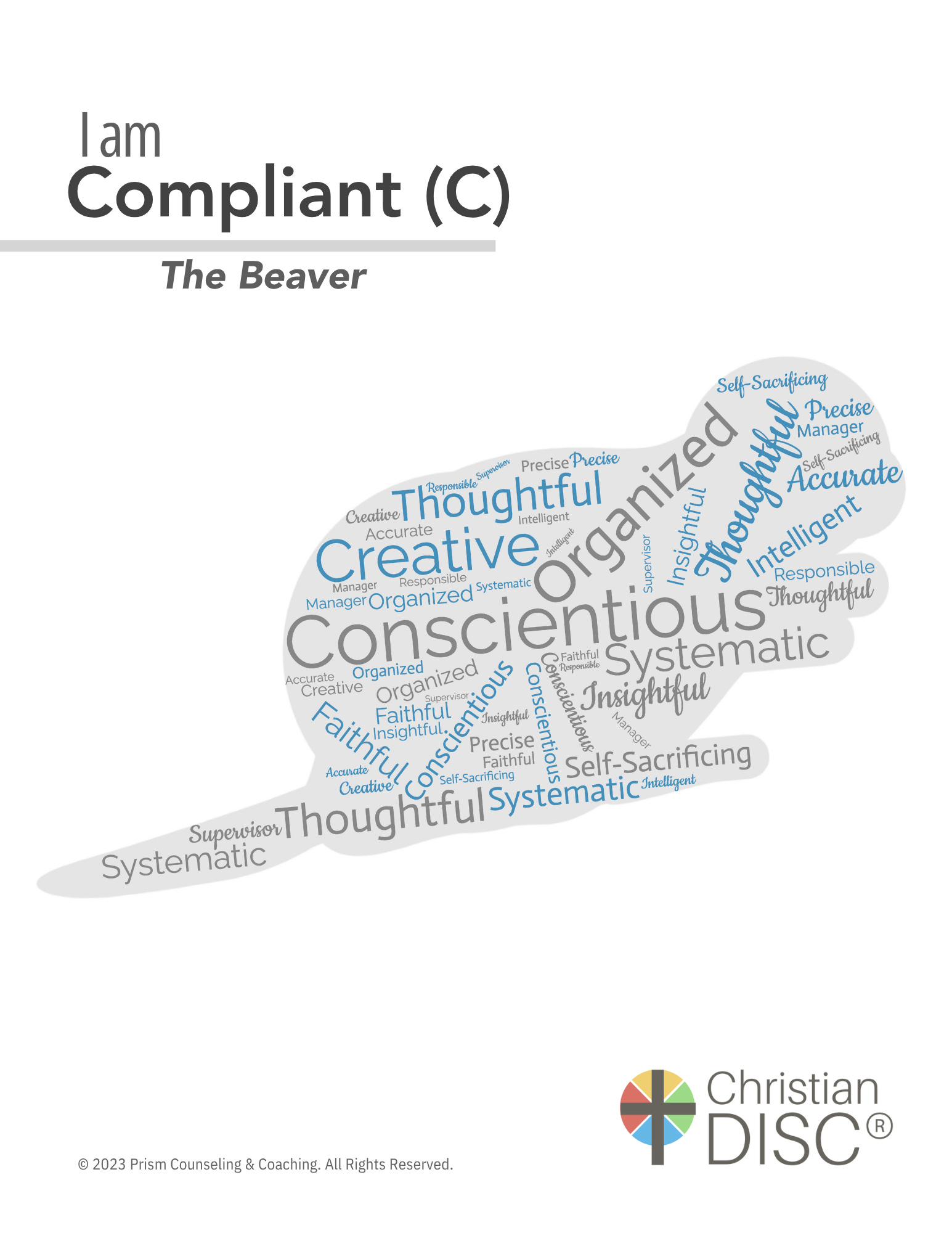
Hey friend! Today, we’re exploring the C-Type personality in our Sacred Design series. If you or someone you work closely with has strong Compliant tendencies, this post will help you understand how God uniquely designed this personality for His purposes.
New to the DISC personality framework? Check out our Sacred Design: The Cultivator’s DISC Personality Guide for an overview of all four types and the biblical foundation for understanding personality in ministry.
C-types are the conscientious, careful, and contemplative personalities who naturally pursue excellence and accuracy in everything they do. They’re the thoughtful architects of the personality world—meticulously planning, researching thoroughly, and ensuring quality that stands the test of time.
The C-Type: Thoughtful Excellence and Precision
The Compliant personality is characterized by a natural orientation toward quality, accuracy, and thoughtful analysis. C-types tend to be precise and detailed in communication, focused on processes and systems, thorough in making decisions, comfortable with careful planning, analytical in their approach to problems, willing to research extensively, and motivated by quality and correctness.
When you meet a C-type, you’ll often notice their thoughtful responses, their attention to detail, and their commitment to getting things right. They don’t rush into decisions or actions but take time to analyze, research, and plan, seeing excellence not as an optional extra but as a core responsibility.
Biblical Examples of C-Types
Scripture gives us several powerful examples of C-type personalities whom God used to bring order, excellence, and wisdom:
Luke demonstrated classic C-type traits in his careful research and documentation of Jesus’ life, his attention to historical detail and accuracy, and his methodical approach to the gospel narrative. His opening words in Luke 1:1-4 reveal his commitment to thoroughness and precision.
Moses shows C-type qualities in his systematic organization of Israel’s legal code, his detailed implementation of the tabernacle specifications, and his careful documentation of Israel’s journey. His meticulous attention to God’s instructions ensured the tabernacle was built “according to the pattern” shown on the mountain.
Ezra exhibits C-type tendencies in his devotion to studying and teaching God’s law accurately, his careful organization of the return from exile, and his systematic approach to spiritual reformation. Ezra 7:10 describes his committed approach: “For Ezra had devoted himself to the study and observance of the Law of the LORD, and to teaching its decrees and laws in Israel.”
These biblical examples remind us that God has always used C-type personalities to accomplish His purposes, particularly when accuracy, order, and excellence were needed for His work to flourish.
Core Strengths: How C-Types Reflect God’s Character
C-type personalities beautifully reflect certain aspects of God’s character. Their strengths aren’t accidental but purposefully designed to display these divine attributes:
The commitment to excellence that characterizes C-types mirrors God’s perfection and attention to detail. Throughout Scripture, we see God’s meticulous care in creation, His precise instructions for worship, and His flawless execution of His plans. Psalm 19:7 celebrates this quality: “The law of the LORD is perfect, refreshing the soul.” C-types reflect this aspect of God’s character when they pursue excellence not from perfectionism but from a desire to honor Him through quality work. Their attention to detail echoes the God who numbers the hairs on our heads and notices even a sparrow’s fall.
The analytical wisdom natural to C-types reflects God’s perfect discernment and understanding. Proverbs 3:19-20 notes that “By wisdom the LORD laid the earth’s foundations, by understanding He set the heavens in place; by His knowledge the watery depths were divided, and the clouds let drop the dew.” C-types mirror this divine wisdom in how they carefully analyze situations, identify potential problems, and develop thoughtful solutions. Their ability to see beneath the surface to the underlying principles reflects the God who understands the depths of all things.
The commitment to truth and accuracy that guides C-types reflects God’s absolute truthfulness and integrity. Jesus identified Himself as “the way, the truth, and the life” (John 14:6), emphasizing truth as essential to His nature. C-types carry this commitment to truth in their ministry approaches, ensuring that information is accurate, communications are clear, and teaching is biblically sound. Their natural aversion to exaggeration or misrepresentation reflects God’s perfect honesty and reliability.
The systematic approach that C-types bring to their work reflects God’s orderliness and intentional design. First Corinthians 14:33 reminds us that “God is not a God of disorder but of peace,” and throughout creation we see evidence of His systematic design. C-types mirror this divine order when they create clear processes, develop thoughtful systems, and bring structure to ministry environments. Their ability to organize information and resources reflects the God who created with remarkable order and purpose.
When C-types embrace and steward these strengths with grace, they become powerful instruments for God’s kingdom work, bringing excellence, wisdom, truthfulness, and order to ministry contexts that might otherwise lack these essential qualities.
Growth Areas: Biblical Wisdom for Development
Every personality has areas where growth and balance are needed. For C-types, certain tendencies may need to be complemented with biblical wisdom and additional virtues:
While C-types naturally excel at analysis and planning, they sometimes struggle with taking action before having all the information or perfecting every detail. Ecclesiastes 11:4 offers wisdom here: “Whoever watches the wind will not plant; whoever looks at the clouds will not reap.” Growing in the ability to move forward with appropriate action even when some uncertainty remains helps C-types translate their excellent plans into timely impact. Remembering that God often reveals His path one step at a time rather than providing the complete blueprint in advance can help C-types find the balance between thorough preparation and necessary action.
The C-type’s focus on processes and standards sometimes leads to difficulty extending grace when others don’t meet expectations or follow established procedures. Ephesians 4:2 encourages us to “Be completely humble and gentle; be patient, bearing with one another in love.” Developing greater patience with different approaches and comfort with necessary flexibility helps C-types maintain their commitment to excellence while creating grace-filled environments where people can grow. Remembering how God has been patient with their own growth process can help C-types extend that same grace to others.
The C-type’s analytical approach sometimes creates challenges in expressing emotions or connecting relationally. Jesus demonstrated both truth and relationship throughout His ministry, often touching people physically and expressing emotions openly. John 11:35, “Jesus wept,” reminds us that even perfect wisdom includes emotional expression. Growing in comfort with appropriate vulnerability and emotional transparency enriches the C-type’s ministry impact and helps others connect with both their ideas and their humanity. Creating safe relationships where feelings can be shared without judgment helps C-types develop this relational dimension alongside their natural analytical strengths.
Finally, C-types often struggle with excessive self-criticism or fear of making mistakes, sometimes holding back their contributions until they feel everything is perfect. 2 Timothy 1:7 reminds us that “God has not given us a spirit of fear, but of power and of love and of a sound mind.” Developing greater self-compassion and comfort with appropriate risk-taking allows C-types to share their valuable insights more freely and lead with greater confidence. Remembering that God’s grace covers imperfections helps C-types move from perfectionism to healthy excellence that empowers rather than paralyzes.
These growth areas aren’t weaknesses to be ashamed of but opportunities for C-types to become more complete reflections of Christ’s character, combining their natural strengths with complementary virtues that create a more balanced and effective ministry presence.
Relationship Dynamics: How C-Types Interact with Others
Understanding how C-types relate to each of the four personality tendencies can help create healthier team dynamics and more effective ministry partnerships.
When C-types and D-types collaborate, they bring together accuracy and action in a powerful combination. C-types appreciate the D-type’s clarity and decisiveness, while D-types value the C-type’s thoroughness and commitment to quality. This relationship thrives when C-types present information in concise, bottom-line formats that respect the D-type’s time orientation, while D-types allow the necessary space for the C-type’s analysis and planning. The C-type helps ensure decisions are well-researched and carefully considered, while the D-type helps move from analysis to implementation at appropriate times. Together, they create ministry approaches that combine thoughtful planning with decisive action.
The C-type and I-type pairing balances analysis with inspiration in complementary ways. C-types provide the detailed planning and quality control that help bring the I-type’s creative ideas to practical fruition. I-types help C-types communicate complex information in more engaging, relational ways. This relationship flourishes when C-types appreciate the I-type’s enthusiasm and relational focus, while I-types respect the C-type’s need for accuracy and logical process. The C-type helps ground creativity in practical reality, while the I-type helps analytical insights connect with diverse audiences through engaging communication.
When C-types and S-types work together, they create highly dependable, quality-focused environments where both relationships and tasks receive appropriate attention. Both types share a preference for established processes and careful work, creating natural alignment. This partnership thrives when C-types appreciate the S-type’s relational sensitivity and patience, while S-types value the C-type’s commitment to excellence and clear systems. The C-type helps establish clear processes that create consistency, while the S-type helps ensure these processes consider human impact and relational dynamics.
Two C-types working together create extraordinarily thorough, high-quality work with meticulous attention to detail. They naturally appreciate each other’s analytical approach and commitment to excellence. However, this pairing may need to be intentional about establishing deadlines to prevent analysis paralysis and ensure the timely completion of projects. Success comes when they create clear decision-making processes, establish parameters for “good enough” versus perfect, and occasionally seek outside perspectives from different personality types. When these elements are in place, dual C-type partnerships can produce remarkably thoughtful, excellent ministry resources and systems.
Understanding these dynamics helps C-types build stronger relationships and more effective ministry teams, leveraging the strengths of each personality rather than creating unnecessary friction.
The C-Type in the Garden Spaces
Let’s explore how C-types naturally navigate each area of our Genesis Framework and how they can thrive in each garden space:
In The Light Garden (Vision & Purpose)
C-types bring valuable gifts to The Light Garden through their ability to thoroughly research ministry direction and carefully evaluate potential paths. While they may not generate vision through intuitive leaps, they excel at refining vision through thoughtful analysis and ensuring it stands on solid biblical and practical foundations. Their careful attention to clarity in purpose statements and ministry direction serves organizations well.
Growth in this garden space comes as C-types learn to balance analysis with inspiration, allowing space for God’s vision that might transcend pure logic or complete information. Taking time to connect with the heart behind the mission, not just the mechanics of implementation, helps them contribute more fully to vision formation. Becoming comfortable with the inherent uncertainty in vision—stepping forward in faith alongside careful planning—allows C-types to help create direction that combines both wisdom and courage.
In The Waters Retreat (Boundaries & Structure)
C-types often thrive in The Waters Retreat, as their natural orientation toward systems and processes creates clear, effective boundaries and structures. They excel at developing thorough policies that anticipate potential problems, creating consistent procedures that support ministry function, and establishing clear expectations that help everyone navigate roles and responsibilities effectively.
Growth opportunities in this garden space include balancing necessary structure with appropriate flexibility. Learning to discern which processes need rigorous adherence and which allow adaptation helps C-types create living systems rather than rigid ones. Developing boundaries that protect without unnecessarily restricting creates healthier environments for both themselves and others. Remembering that systems serve people, not people serving systems, keeps structures life-giving rather than limiting.
In The Fruitful Fields (Productivity & Output)
C-types bring unique gifts to The Fruitful Fields through their methodical, quality-focused approach to productivity. They excel at creating systems that ensure consistent excellence, developing thorough resources that stand the test of time, and implementing quality control processes that maintain high standards. Their attention to detail ensures that ministry outputs reflect careful thought and excellence.
Growth in this garden space comes through balancing quality with timely completion. Learning to identify appropriate levels of excellence for different projects helps C-types allocate their perfectionism where it matters most. Developing comfort with iterative improvement rather than delaying until everything is perfect allows their valuable work to benefit others sooner. Creating clear project parameters and deadlines helps translate their excellent plans into completed resources that actually serve the ministry’s purpose.
In The Luminaries Lookout (Visibility & Timing)
C-types approach The Luminaries Lookout with a thoughtful, measured perspective that values substance over mere visibility. They naturally ensure that public ministry content has been thoroughly researched and carefully prepared. Their commitment to accuracy and integrity serves ministry well in public spaces where precision matters.
Growth opportunities include developing more engaging communication approaches that help their valuable insights connect with diverse audiences. Learning to translate complex information into accessible language and compelling stories expands the impact of their naturally thorough content. Becoming comfortable with appropriate levels of visibility rather than always working behind the scenes allows their valuable perspective to influence broader conversations. Balancing careful timing with necessary responsiveness helps them engage effectively in dynamic ministry environments.
In The Living Waters (Community & Expression)
The Living Waters presents both challenges and opportunities for C-types, as relational dynamics may not be their most natural element. However, they bring valuable gifts through their thoughtful listening, careful consideration before speaking, and commitment to truthful, meaningful communication. Their ability to create clear community guidelines and facilitate orderly discussion serves groups well.
Growth in this garden space comes through developing greater comfort with emotional expression and relational connection. Learning to balance factual communication with appropriate personal sharing helps C-types build deeper relationships. Creating space for spontaneity alongside structure in community settings allows for both order and authentic connection. Practicing patience with different communication styles and relationship approaches helps C-types build bridges with diverse personalities in ministry contexts.
In The Stewardship Sanctuary (Resources & Multiplication)
C-types often excel in The Stewardship Sanctuary, with their natural gifts for careful resource management and thorough planning. They bring remarkable attention to financial systems, resource allocation processes, and thoughtful stewardship practices. Their ability to track outcomes, measure impact, and ensure accountability creates trustworthy ministry environments where resources are used with integrity.
Growth opportunities in this space include balancing careful stewardship with appropriate risk for kingdom purposes. Learning to evaluate potential ministry investments not just for risk management but also for kingdom opportunity helps C-types participate in faith-stretching multiplication. Developing ways to communicate the value of careful stewardship in compelling rather than merely technical terms helps others embrace these important practices. Creating systems that empower rather than control helps multiply impact through others rather than limiting it to their personal oversight.
In The Sabbath Grove (Rest & Renewal)
C-types have a unique relationship with The Sabbath Grove. While they may create clear boundaries between work and rest, they sometimes struggle to mentally disengage from problem-solving or planning, even during designated rest times. Their strengths include creating thoughtful Sabbath routines and understanding the theological foundations for rest.
Growth in this garden space comes through embracing rest as a practice of trust rather than merely a pragmatic necessity. Learning to release control temporarily, trusting that God continues working even when they pause, helps C-types experience deeper renewal. Developing comfort with unstructured time that isn’t focused on productivity or improvement creates space for genuine refreshment. Practicing present-moment awareness rather than continuous future planning allows C-types to more fully experience the gift of Sabbath rest.
Practical Recommendations for C-Type Ministers
If you have C-type tendencies, here are some practical recommendations to help you steward your unique design for maximum kingdom impact:
Your commitment to excellence and accuracy is a tremendous gift to ministry—embrace it confidently as divine design rather than seeing it as merely technical or less spiritual than other contributions. Remember that the tabernacle was built with both artistic inspiration and meticulous craftsmanship, and God called people specifically to both roles. Your attention to detail and quality reflects important aspects of God’s own character and work.
Consider developing decision-making frameworks that help you move forward appropriately, even without complete information. This might include creating “minimum viable standards” for different types of projects, establishing clear timelines that include both analysis and action phases, or identifying trusted advisors who can help you discern when it’s time to move from planning to implementation. These approaches help you maintain your commitment to quality while ensuring timely progress.
Your ministry will likely thrive when you intentionally balance your analytical strengths with relational connection. Schedule regular time for purely relational engagement without agenda or task focus. Practice sharing not just your thoughts but also appropriate feelings and personal experiences in safe relationships. Remember that Jesus combined perfect truth with deep compassion, showing us that accuracy and empathy can—and should—coexist in ministry.
While your standards serve ministry well, balance them with grace for yourself and others. Create distinctions between non-negotiable standards (theological accuracy, financial integrity, safety procedures) and areas where flexibility better serves ministry purposes. Practice phrases like, “That approach is different from what I would choose, but it accomplishes our core purpose well,” or “This isn’t perfect, but it meets our essential requirements and can be improved in the next iteration.” Remember that God’s kingdom advances through faithful people, not flawless ones.
Your analytical mind sometimes makes it difficult to stop working mentally, even during designated rest times. Create clear boundaries not just for your activities but for your thought patterns. This might include physical transitions between work and rest spaces, technology boundaries that limit access to ministry-related information, or mindfulness practices that help you remain present rather than constantly planning or problem-solving. Remember that even God—who could have created everything instantaneously—chose to work in stages with intentional rest, modeling rhythms that include both productivity and pause.
Your natural thoroughness sometimes makes you hesitate to share your work until it feels complete or perfect. Practice sharing work in progress more regularly, viewing feedback as valuable input rather than criticism of incomplete work. Consider creating structured review points in your projects where you intentionally seek input before completion. Remember that ministry is inherently collaborative, and your excellent work becomes even better when enhanced by diverse perspectives at appropriate stages.
Finally, develop self-compassion practices that balance your natural tendency toward self-criticism. Notice your internal dialogue and replace overly harsh judgments with the kind of grace you would offer a valued colleague. Celebrate progress and learning, not just flawless execution. Remember that God’s love for you isn’t based on your performance or perfectionism but on His character and choice—a truth that liberates you to pursue excellence from security rather than insecurity.
Want to Know Your Type for Sure?
While reading the profiles can help you identify your likely tendencies, a professional assessment provides a more accurate and nuanced understanding of your specific personality blend.
I offer the Christian DISC Assessment, which provides a comprehensive report of your personality tendencies, including:
Your specific blend of all four types
Detailed insights about your natural strengths
Biblical perspectives on your personality
Personalized growth recommendations
Communication tips for different relationships
This assessment creates a solid foundation for understanding how to align your ministry and creative work with your God-given design.
Embracing Your C-Type Design
Friend, if you have C-type tendencies, remember that God created you with your conscientious, careful, contemplative personality for a purpose. Your attention to detail, commitment to excellence, analytical wisdom, and systematic approach reflect important aspects of His character and serve vital functions in His kingdom.
The world needs C-type cultivators who can:
Ensure ministry efforts meet standards of excellence and accuracy
Create thoughtful systems that support sustainable work
Analyze complex situations with wisdom and discernment
Develop thorough resources that stand the test of time
Your personality is not less spiritual or impactful than more expressive types—it’s a divine design, crafted with intention and purpose. When you embrace your C-type tendencies while growing in complementary virtues, you become a powerful instrument in God’s hands, bringing order, excellence, and wisdom to kingdom work with both accuracy and grace.
As you continue your ministry journey, remember that the goal isn’t to become less of a C-type but to become a more complete, Christ-like version of the C-type God created you to be—combining your natural analytical gifts with appropriate risk-taking, relational connection, and self-compassion.
With grace and joy,
Antonisha
Explore More in the Sacred Design Series:
The I-Type Cultivator: Inspirational Connection in Your Ministry
The S-Type Cultivator: Steady Support in Your Ministry
Connect & Support
🌱 Join Our Community: Subscribe to receive The Sunday Sabbath newsletter and follow along on this soft, sacred, slow journey.
🤍 Support This Ministry:
Monthly Support: Join the Cultivator’s Circle to sustain this digital ministry with a monthly contribution.
One-Time Gift: Prefer a one-time donation? You can nurture this garden with a single contribution.
📚 Explore Resources: Discover books, assessments, and resources to support your creative journey in the Salty Page Books shop.
💬 Share Your Thoughts: I’d love to hear your perspective in the comments below.